
Introduction
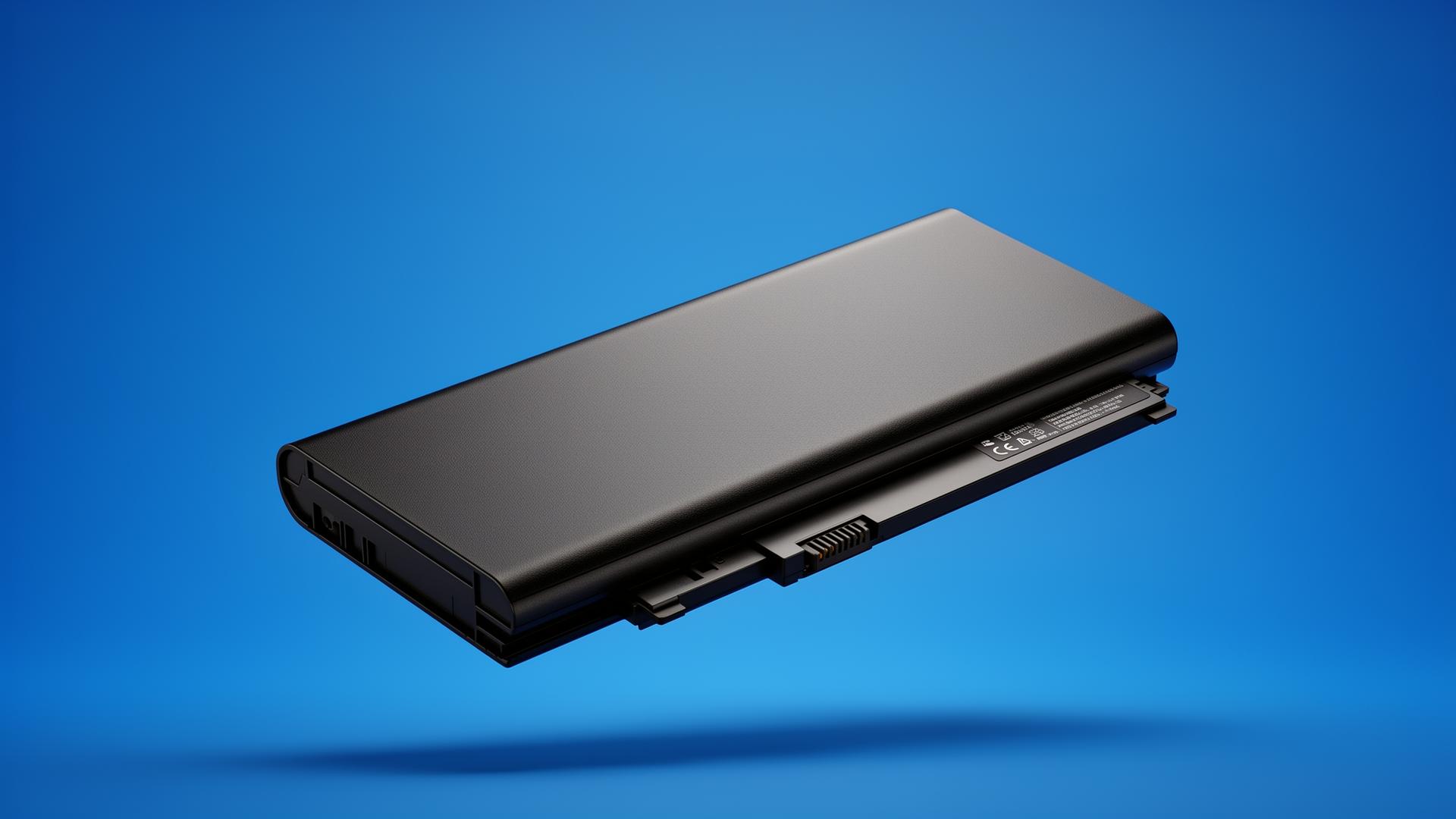
Laptop batteries are consumables — they degrade with every charge cycle. The challenge is knowing when degradation has crossed the line from inconvenient to dangerous.
The five clearest warning signs
If you notice any one of these symptoms, the battery should be replaced, not just calibrated.
- Runtime has dropped to under 50% of the original spec
- Laptop shuts down suddenly at 20% – 40% charge
- Battery refuses to charge past a certain percentage
- Visible swelling — touchpad lifting, base plate bulging
- Windows / macOS reports 'Replace battery' or 'Service battery'
Why a swollen battery is an emergency
Swelling indicates internal gas build-up from a failing electrolyte. Continued use risks rupture and fire. Power down the laptop, isolate the battery if possible, and order a replacement same-day.
Choosing a compatible replacement
Compatible (third-party) batteries cost a fraction of OEM cells while delivering the same mAh capacity and protection circuitry — provided you source them from a certified supplier. Look for matching part numbers, voltage and physical dimensions.
Frequently asked questions
- How long should a laptop battery last?
- Most lithium-ion laptop batteries last 2 to 4 years, or roughly 500 – 1000 full charge cycles before noticeable capacity loss.
- Are compatible batteries safe?
- Compatible batteries from quality-tested suppliers like ProCare include the same protection ICs, thermal cut-offs and certifications as originals.
- Do you offer batteries for all laptop brands?
- Yes — Acer, ASUS, Dell, HP, Lenovo, Samsung, Sony and Toshiba compatible batteries are stocked.
Looking for high-quality laptop spare parts?
ProCare stocks BIS-certified compatible parts for Acer, ASUS, Dell, HP, Lenovo, Samsung, Sony and Toshiba — shipped pan-India from Nehru Place, New Delhi.
Find a compatible laptop battery